Christmas Cowboy Boots Holly Western Design Review
As an experienced embroidery designer and product reviewer, I always approach new designs with a critical eye. The Christmas Cowboy Boots Holly Western design caught my attention for its blend of holiday cheer and western charm. Let me walk you through how it stacks up in real-world embroidery projects—what it brings to the table, where it shines, and where you might need to tread carefully.
A Festive Western Fusion at First Glance
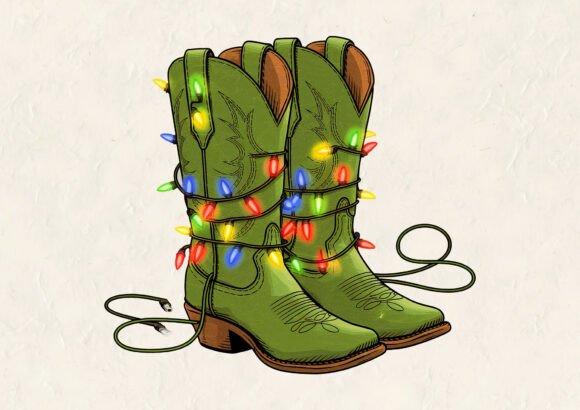
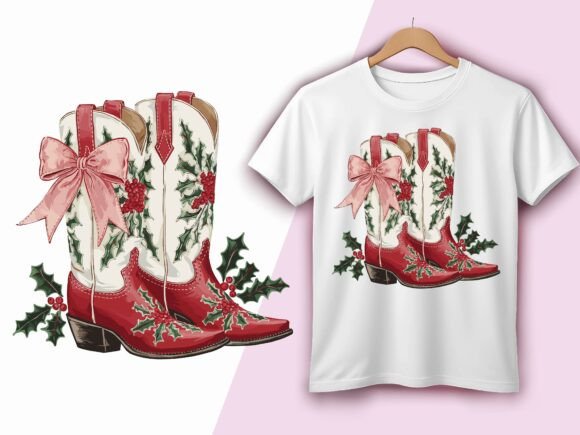
The moment I opened the digital file for Christmas Cowboy Boots Holly Western, I was struck by its cohesive theme. It combines classic western imagery—cowboy boots—with traditional Christmas elements like holly and berries. The layout is balanced, with a central boot motif framed by festive greenery. This kind of composition makes it immediately suitable for a variety of machine embroidery designs, especially those targeting seasonal markets or niche themes.
What stands out most is the visual personality. It feels playful yet professional, making it ideal for handmade products that aim to capture a specific mood. The detail level is moderate; there are no overly intricate patterns that could complicate stitching, but enough character to make the design feel unique and intentional. As someone who works with embroidery files regularly, I appreciate when a design communicates clearly without being overwhelming.
Best Suited for: Custom Apparel and Holiday Gifts
This design naturally fits into custom apparel and personalized gifts. For example, if I were preparing a custom embroidered sweatshirt for a client’s family holiday photo shoot, this would be a perfect candidate. The bold shape of the cowboy boots draws attention, while the holly adds a subtle seasonal touch. It also has the potential to work well on tote bags or pillow covers as part of a holiday embroidery collection.
I can imagine using it as a printable mockup for an Etsy listing. The clean lines and clear motifs allow for easy visualization across different product types. Whether it's printed on fabric or stitched directly, the design maintains a strong presence, which is crucial for craft business owners looking to create recognizable design assets.
Real-World Performance and Application
When considering how Christmas Cowboy Boots Holly Western performs in actual embroidery settings, I look at several factors: stitch clarity, thread visibility, and adaptability across different fabrics and applications.
- Tote Bag Embroidery: The design’s structure lends itself well to larger surfaces like tote bags. Its central focus allows for creative placement, and the use of both fill stitch and satin stitch gives it dimension without being too heavy.
- Sweatshirts and Hoodies: On thicker knits, this design holds up nicely. The stitch density is just right—dense enough to stand out but not so much that it causes puckering or distortion. It’s a good choice for sweatshirt embroidery, particularly for boutique-style items or small shop merchandise.
- Baby Items and Caps: While the design is versatile, I’d advise caution when using it on baby clothes or curved surfaces like caps. The size and detail may require some simplification to avoid issues with stretchy materials or tight curves.
- Pillow Covers and Tea Towels: These are excellent candidates for the design. The flat surface and sturdy fabric allow for precise stitching and a polished finish. It elevates simple home décor items into something special and giftable.
- Commercial Projects: If you're planning to sell finished products, this design can add value. However, before mass production, always confirm the licensing terms, since they weren't specified here. That said, the print-ready formats included (SVG, EPS, PDF, AI) suggest flexibility for commercial embroidery needs.
Thread Color and Fabric Contrast
One thing I noticed is the importance of thread color selection. The design relies on a few distinct colors to bring the western and holiday elements together. If you're working on a dark fabric background, you’ll want to test the thread contrast first. Using black or white threads in a mockup can help determine if the design will remain legible and visually appealing after stitching.
For light-colored garments, the thread colors pop beautifully, especially on cotton blends. But on textured or stretchy fabrics, such as fleece or rayon, you may need to adjust the stitch types or add stabilizer to maintain clarity and prevent misalignment.
Where to Use Carefully
While the Christmas Cowboy Boots Holly Western is a solid all-rounder, there are certain situations where extra attention is needed:
- Small Hoop Sizes: The design’s overall size means it won’t fit in very small hoops. Always check your machine’s capabilities and confirm the recommended hoop size before starting any project.
- Textured Fabrics: Stitching on flannel, corduroy, or other napped fabrics may cause the design to lose definition. Testing on a scrap piece is essential.
- Thin or Stretchy Materials: Delicate fabrics or those prone to stretching can distort the design during embroidery. Consider using a stabilizer or adjusting the stitch tension accordingly.
- Dark Fabric Backgrounds: The design doesn’t have high contrast built-in, so it may get lost on darker bases unless the thread colors are chosen thoughtfully.
- Products with Frequent Washing: Dense stitch areas can wear down over time. If you’re planning to embroider this on an apron or kitchen towel, consider reducing stitch density slightly to preserve the integrity of the fabric.
Design Notes for the Pros
If you're a seasoned embroidery designer, here are a few practical notes based on testing similar files:
- Test on Scrap Fabric: Before committing to a full project, always run a test stitch. Especially important if you're altering thread colors or fabric types.
- Review Stitch Density: This design uses a mix of satin and fill stitches. If you’re working with delicate fabrics, you may need to reduce the density slightly to avoid puckering.
- Check Small Details: Inspect the corners and inner edges of the holly and boots. They appear sharp in the digital version, but sometimes tiny details don’t translate perfectly to the needlepoint.
- Use Proper Stabilizer: A tear-away or cut-away stabilizer can help keep everything in place, especially on stretchier or thinner materials.
- Confirm Licensing: Since the product description mentions commercial use, make sure to verify the exact license terms before selling finished items or offering digital embroidery files for resale.
Visual Appeal and Branding Impact
From a branding standpoint, the Christmas Cowboy Boots Holly Western offers a strong visual identity. It’s the kind of design that can become a signature element for a craft business or Etsy seller focusing on western-themed holidays. It enhances the perceived value of a handmade product and builds customer trust when presented professionally.
Its stylized nature also supports brand consistency. If your shop leans toward rustic, country, or Americana aesthetics, this design can serve as a reliable asset across multiple products. The consistent shapes and colors help customers recognize your offerings more easily, improving product recognition and buyer engagement.
Giftability and Customer Reaction
Personalized gifts are a big market, and this design has the potential to resonate with customers. Think about a custom embroidered patch for a gift bag, or a tote bag design that doubles as a holiday keepsake. The cheerful western twist sets it apart from typical holiday motifs, which can be a huge plus in competitive markets like craft fairs or online shops.
However, it’s worth noting that the design isn’t neutral. Depending on your audience, the western theme might either attract or alienate buyers. That’s why I recommend including it in themed collections rather than general-purpose embroidery graphics.
Final Thoughts for Makers and Entrepreneurs
The Christmas Cowboy Boots Holly Western is a standout in the world of machine embroidery design. It balances creativity with functionality, making it a great option for both personal and commercial use. But like any design, its success depends on thoughtful application.
If you're planning to use it on a custom sweatshirt, tote, or even a mug, remember to account for fabric type, hoop space, and thread contrast. And if you're an embroidery product reviewer or a creative entrepreneur building a seasonal line, this design can help you stand out—if used correctly.
My advice? Treat it as a valuable tool in your design arsenal, but never skip the step of testing. Your customers deserve nothing less than a finished product that looks as good in real life as it does on screen.