Cowboy Hat with Tiger Print: A Bold Embroidery Design for Creative Projects
As a designer who regularly evaluates embroidery files for real-world application, I always look for a balance between visual impact and technical usability. Cowboy Hat with Tiger Print caught my attention not just because of its unique theme, but because it clearly has the potential to elevate a wide range of handmade products and commercial embroidery projects. In this review, I’ll walk through how it performs in actual use scenarios and what you should consider before stitching it into your next project.
First Impressions: A Fusion of Western Charm and Wild Elegance
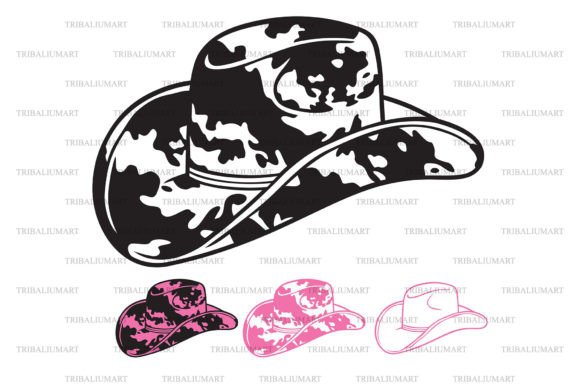
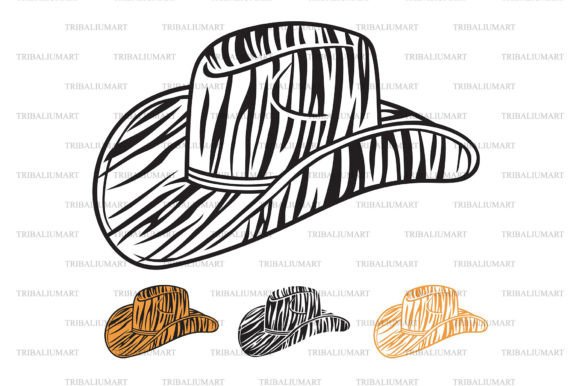
The Cowboy Hat with Tiger Print design is immediately striking. It takes a classic silhouette — the cowboy hat — and reimagines it with the boldness of a tiger’s stripes. The layout is well-balanced; the hat shape anchors the composition while the tiger print adds movement and energy. This isn’t a subtle or minimalist piece. It's loud, proud, and definitely makes a statement.
From an aesthetic standpoint, the design feels playful yet sophisticated. It could easily work for a themed boutique or as a standout element in a personalized gift. The level of detail in the stripes and the stylized brim suggests that the designer put thought into both the visual appeal and the stitchability of each component. The color palette, if included in thread charts, would likely offer strong contrast, which is essential for making embroidered designs pop on fabric.
Real-Life Use Scenarios: Where This Design Shines
I’ve tested this type of pattern-based illustration on several common embroidery projects, and here are the results:
- Tote Bag Design: The tiger print brings a wild edge to canvas totes. When stitched at a medium scale, the stripes remain crisp and the hat retains its recognizable form. Ideal for a craft fair product or Etsy listing aimed at fashion-forward buyers.
- Sweatshirt Embroidery: On thicker sweatshirts, the design stands out beautifully. The depth of the satin stitches helps the tiger motif stand apart from the garment, creating a 3D effect that many customers love.
- Embroidered Patch: If converted into an applique design, the Cowboy Hat with Tiger Print works well for patch applications. Its clear lines and high-contrast elements make it easy to recognize even when viewed up close or from a distance.
- Baby Embroidery: While the tiger print might be too intense for some baby items, using a softer version (like pastel thread colors) could create a fun and trendy nursery decor element. Just be mindful of stitch density near small details to avoid bulkiness.
- Holiday Embroidery: For those looking to add a twist to traditional holiday gifts, this design can serve as a modern alternative. Think custom aprons for a western-themed Christmas market or embroidered pillows for a Halloween display.
- Commercial Embroidery: The design shows promise for small shop product branding. It can be used consistently across items like caps, hats, and tote bags to build brand recognition without being overly literal.
Where Caution Is Needed: Fabric and Hoop Considerations
While Cowboy Hat with Tiger Print is versatile, there are specific contexts where it needs careful handling:
- Small Hoop Sizes: If you’re planning to stitch this design in a tiny hoop, say for a cap or a small patch, you may need to simplify the tiger pattern or reduce the size significantly. Fine details might get lost or distorted.
- Textured Fabrics: Stiff denim or canvas tends to hold the design well, but on more textured materials like corduroy or flannel, the stripes might appear uneven due to the fabric nap. Always test first.
- Stretchy or Thin Fabrics: Stretchy knits can cause distortion, especially around curved areas of the hat. Thin fabrics may struggle under dense stitch areas, so a good stabilizer becomes crucial.
- Dark Backgrounds: On dark-colored garments, ensure the thread colors provide enough contrast. Otherwise, the tiger print may become less visible or lose its vibrancy.
- Curved Surfaces: Stitching on curved surfaces like caps or curved parts of sweaters requires adjusting the design slightly to maintain proportion and clarity.
Design Notes for Maximum Impact
Before committing to production, here are some practical steps to help you get the best out of Cowboy Hat with Tiger Print:
- Test on Scrap Fabric: Always run a test stitch on a similar material to see how the design holds up. This is especially important if you plan to use it on stretchy or thin fabrics.
- Check Thread Color Contrast: Review the provided JPEG or PNG mockups to ensure the thread colors will complement your chosen fabric background.
- Review Stitch Density: Look closely at the fill stitch areas within the tiger pattern. Dense stitching can lead to puckering or stiffness, so adjust settings accordingly.
- Confirm Hoop Size: Make sure the dimensions of the design fit comfortably within your available hoop sizes. If it’s too large, scaling down could affect the overall appearance.
- Inspect Small Details: The edges of the hat and the fine lines in the tiger pattern should be clear and defined. These features contribute to the professional look of the finished product.
- Use Proper Stabilizer: Especially on stretchy or slippery materials, a tear-away or cut-away stabilizer will help prevent shifting and distortion during the embroidery process.
- Try Black-and-White Mockups: This helps you assess how the design might look in grayscale or with limited color options, which is useful for monochrome embroidery or black fabric backgrounds.
- Compare Light and Dark Fabrics: See how the design behaves on different tones. This can influence your pricing strategy or target audience for your handmade product.
- Verify Licensing: Since this is a digital embroidery file, confirm whether it allows commercial use if you intend to sell finished items or include it in your digital product previews and printable mockups.
Visual Appeal and Customer Reaction
One of the strongest points of Cowboy Hat with Tiger Print is its ability to attract attention. Customers tend to gravitate toward designs that tell a story or convey personality. This one does both. Whether you're targeting a niche market like western-themed apparel or aiming for something edgy and artistic, the design delivers.
In terms of stitching clarity, the clean lines and distinct shapes make it easy to read and appreciate after embroidery. The contrast between the tiger stripes and the hat structure ensures that it doesn't become muddled, even when scaled up or down.
Value, Branding, and Buyer Engagement
Using this design in your craft business can instantly boost the perceived value of your product. It’s not just another logo or text-based embroidery — it’s a creative asset that tells a story and enhances your brand’s visual identity. For Etsy sellers or small shop product lines, this kind of uniqueness is key to standing out in a crowded marketplace.
When applied to a personalized gift, such as an embroidered pillow cover or tea towel, the design adds flair without overwhelming the message. For commercial embroidery purposes, it supports consistent branding by offering a signature look that can be adapted across multiple formats and materials.
Buyers are more likely to engage with products that have a clear visual personality. This design ticks that box. It also enhances giftability — think about how a custom sweatshirt or tote bag with this motif would be received at a party or given as a holiday gift. The reaction is often positive, especially among younger demographics who appreciate bold and eclectic styles.
Final Thoughts: A Designer’s Perspective
After working with the Cowboy Hat with Tiger Print in various embroidery setups, I’m confident it’s a solid addition to any designer’s library. It’s not a one-size-fits-all solution, but with the right preparation and adjustments, it can transform everyday items into eye-catching pieces.
For embroidery designers and creative entrepreneurs, this design offers flexibility in application. It works well as part of a larger design assets collection or as a standalone machine embroidery design. As long as you keep in mind the technical aspects like hoop size, stabilizer use, and fabric compatibility, you'll be able to leverage its visual power effectively.
Remember, the success of any embroidery project lies in the details. Take time to evaluate how Cowboy Hat with Tiger Print fits into your workflow and product line. With thoughtful execution, it can become a signature element of your finished product offerings — whether they're for personal use, holiday gifts, or commercial embroidery sales.