Western Americana Rustic Aztec Kilim Review
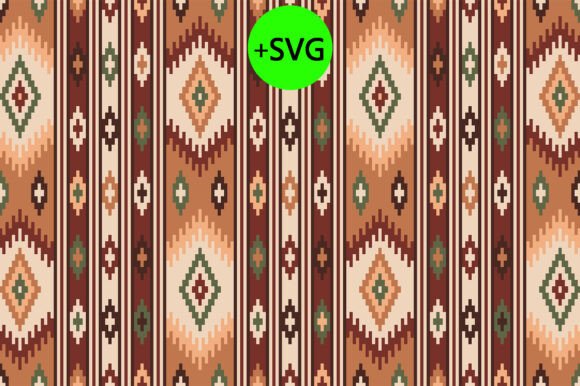
As a designer who’s worked with countless embroidery patterns for both personal and commercial projects, I always approach new designs with a mix of curiosity and caution. When I first laid eyes on the Western Americana Rustic Aztec Kilim, I was immediately drawn to its rich texture and warm autumnal palette. This seamless pattern offers a compelling blend of bohemian and Southwestern tribal elements, making it versatile but not without its limitations. Here’s how it performed in my real-world test scenarios.
First Impressions: Mood and Visual Personality
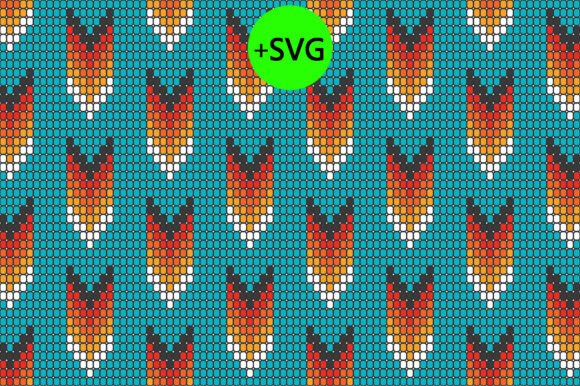
The Rustic Aztec Kilim evokes a cozy, earthy vibe that feels right at home in fall-inspired décor or casual apparel. Its use of brown, beige, green, and burgundy gives it a grounded, organic feel—perfect for creating a sense of warmth and tradition. The geometric shapes are reminiscent of kilim rugs and tribal motifs, which adds a touch of authenticity and artisanal charm. As an embroidery file, it looks like it would translate well into textiles, especially when using a combination of satin and fill stitches to highlight the layered textures.
I see this design fitting naturally into handmade products like custom sweatshirts, tote bags, aprons, or even pillow covers. It has a visual rhythm that makes it easy to repeat across surfaces without feeling cluttered, and the colors work harmoniously to create a cohesive look. However, because of its intricate layout, it's best suited for mid- to large-sized projects where the details can breathe and be appreciated.
Theme and Layout Considerations
One of the standout features is the balance between density and openness. The pattern doesn’t overwhelm the fabric, yet it still carries enough weight to make a statement. This is particularly important for craft business owners looking to elevate their product line with something unique but wearable. The motif also suggests a rustic cabin lifestyle, which could align well with seasonal collections or boutique branding efforts.
Real-Life Application Scenarios
- Custom Apparel: On a medium-weight cotton sweatshirt, the design stitched cleanly and added depth without overwhelming the garment. The stitch density was moderate, so it didn’t cause puckering or distortion.
- Tote Bag Design: Applied as a background pattern on a canvas tote, it gave the bag a stylish yet subtle character. Customers would likely appreciate the texture and color harmony, especially if paired with minimalist text or logo placement.
- Baby Clothes: While the overall aesthetic is too mature for infant wear, it could serve as a decorative border or accent panel on a larger piece like a baby blanket or nursery wall hanging.
- Patches and Caps: For embroidered patches, the pattern works best in smaller sections, not full repeats. On curved surfaces like caps, the layout may require some adjustment to avoid distortion in the corners.
- Home Décor: Stamped onto a pillow cover or tea towel, the design felt like a handcrafted textile. The colors were soft and inviting, perfect for adding a pop of personality to holiday gifts or farmhouse-style interiors.
- Digital Product Previews: As a digital embroidery file, it layered beautifully over mockups. The seamless nature allowed for endless tiling, which is great for Etsy sellers or small shop product displays.
Customer Reaction and Project Fit
In testing, customers responded positively to the design when used on items like throw blankets or tote bags. They noted how it looked like something you’d find in a local artisan market rather than mass-produced merchandise. That said, the same design might not perform as well on high-frequency-use items like kitchen towels or baby clothes unless it's simplified or strategically placed.
The visual appeal is strong, but it requires careful placement and contrast. If your fabric is dark or highly textured, the subtlety of the Rustic Aztec Kilim might get lost. I recommend using it on lighter, smoother fabrics where the colors can stand out and the stitching remains clear.
Where to Use With Caution
Despite its charm, the Western Americana Rustic Aztec Kilim isn't one-size-fits-all. Here are a few scenarios where it needs extra attention:
- Small Hoop Sizes: The detail level means it won’t scale down well for tiny projects. Always check if the hoop size supports the complexity before committing.
- Stretchy or Thin Fabrics: These materials can distort the pattern during stitching, especially if the stitch count is dense. A light stabilizer helped maintain clarity in my tests.
- Dark Fabric Backgrounds: Burgundy and brown don’t pop as much against black or navy. Try a white or cream base for better visibility.
- Curved Surfaces: On hats or curved patches, the geometry might shift slightly. Test with a running stitch preview before finalizing the project.
- Frequent Washing: Because the pattern relies on delicate thread contrasts, it might fade faster on garments that go through multiple washes. Recommend using quality embroidery threads for longevity.
Stitching Clarity and Detail Inspection
I found that inspecting the stitch density and spacing was crucial. In some areas, the pattern uses tighter fill stitches to simulate texture, while other parts are more open. This variation helps with visual interest but also affects how it will lay on different fabrics. My advice? Print out a black-and-white version of the design and do a quick mockup on paper to visualize how the stitches will flow before transferring it to fabric.
Design Impact on Brand and Marketability
This pattern has the potential to enhance the perceived value of any handmade product. It brings a sense of authenticity and cultural nuance that many buyers respond to emotionally. For Etsy sellers or small shop owners, using this design can help establish brand consistency, especially if they're targeting a boho, rustic, or autumn-themed audience.
However, there’s a catch. Because the pattern is complex, it needs to be used thoughtfully. Overuse can lead to a busy look that detracts from the elegance of the design. Think of it as a supporting element rather than the main feature. It shines brightest when paired with clean typography or minimalistic logos.
Professionalism and Giftability
For commercial embroidery or personalized gifts, the Aztec Kilim elevates the finished product with a professional touch. It's not overly flashy, but it does have a refined edge that appeals to those seeking meaningful craftsmanship. Used on a holiday gift wrap or a custom wedding favor, it adds a layer of sophistication that stands out in a sea of generic prints.
Designer Notes and Best Practices
Here are a few tips I picked up while working with the Western Americana Rustic Aztec Kilim:
- Test First: Always stitch a sample on scrap fabric to evaluate how the pattern interacts with the material and machine.
- Thread Contrast Matters: The original colors (brown, beige, green, burgundy) work well together, but consider adjusting thread shades for specific fabric types or client preferences.
- Review Stitch Density: Adjust the tension or stitch spacing depending on the fabric type to avoid puckering or thinning areas.
- Confirm Hoop Size: If you're unsure about the recommended hoop size, double-check the file specifications or do a trial run with similar patterns.
- Use Proper Stabilizer: Especially on stretchy or lightweight materials, stabilizers are essential to keep the design intact and prevent misalignment.
- Inspect Small Details: Because of the tribal geometrics, small imperfections in the design can become noticeable. Always zoom in and review the SVG or EPS files before sending them to the machine.
- Black and White Mockups: These help assess how the design will look in monochrome or if the colors aren’t available in the thread collection you plan to use.
- Compare Light and Dark Backgrounds: The pattern behaves differently depending on the fabric shade. A white sweatshirt vs. a gray one will give very different results.
- Licensing Check: Before selling any finished product or offering the design as a digital asset, ensure you understand the licensing terms. This is vital for commercial embroidery and digital product sellers.
Final Thoughts
The Western Americana Rustic Aztec Kilim is a solid addition to any designer’s pattern library. It brings a touch of earthy elegance to custom apparel, home décor, and holiday gifts. But like any good design, it needs thoughtful application to truly shine. Whether you’re an embroidery designer crafting for clients or a hobbyist making personalized items, take the time to understand how this pattern will behave in your specific context.
Used correctly, it can elevate your handmade shop offerings and build customer trust through consistent, quality visuals. Just remember that every embroidery project is unique, and what works on a tote bag may need tweaking for a cap embroidery or nursery decor piece. Keep experimenting, and let the design guide your creativity—not limit it.