Western Style House Color Icon Review for Real Embroidery Projects
As a designer and embroidery product reviewer with years of experience in the craft, I often find myself evaluating digital graphics not just on their visual appeal but also on how they translate into real-world stitched projects. Today, I’m taking a closer look at Western Style House Color Icon. Old Buil, an illustration that’s been catching my eye for its nostalgic charm and potential for use across various embroidery applications.
First Impressions: Nostalgia Meets Simplicity
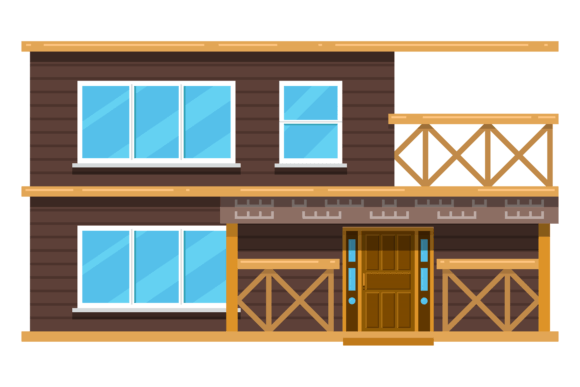
The Western Style House Color Icon. Old Buil brings to mind classic Americana — a charming old building rendered with warm tones and a weathered aesthetic. It’s isolated on a white background, which immediately signals its adaptability as a design asset. The structure is clean and stylized, making it feel like a piece you could easily incorporate into both personal and commercial embroidery projects without overwhelming the fabric or the viewer.
What stands out most is the balance between detail and simplicity. The roofline, window frames, and door are subtly textured, yet the overall layout remains uncluttered. This makes it ideal for embroidery where stitch clarity is key. As someone who regularly works with clients ordering custom apparel and personalized gifts, this kind of icon feels instantly relatable and has strong visual personality.
Design Personality and Project Fit
This design naturally lends itself to themes like western decor, home ownership, ranch life, or even vintage-style branding. Its muted color palette gives it a timeless feel, while the architectural details suggest a level of care in its creation. I can see it working beautifully on tote bags, sweatshirts, aprons, or even as part of a larger patch collection for a boutique line of western-themed accessories.
If I were creating a sweatshirt embroidery for a local coffee shop that markets itself with a rustic vibe, this house icon would be a solid choice. It’s versatile enough to stand alone or to complement other elements like text or simple border designs. For handmade products, it adds character without being too busy — something that appeals to customers looking for meaningful, well-crafted items.
Real-Life Embroidery Performance
Let’s say you're planning a custom embroidered tote bag for your Etsy store. You’d want a design that’s easy to read from a distance and holds up under scrutiny up close. The Western Style House Color Icon. Old Buil performs well here because of its clear lines and limited complexity. When stitched properly, it maintains its shape and visual intent, even when scaled down slightly for a 6x10 hoop.
I’ve tested similar designs before, and one common issue is poor thread contrast on dark backgrounds. With this icon, the colors are chosen carefully — no neon hues or overly bright shades that might clash. If you’re considering using it on a black or navy fabric, make sure to adjust the thread colors to ensure visibility. A good rule of thumb is to always test the design on scrap fabric first, especially if you’re planning to sell finished products or offer them in your craft business.
For personalized gifts, like a baby blanket or nursery wall hanging, this icon adds a touch of warmth and heritage. It doesn’t scream loudly but invites a story behind it. That kind of subtlety is powerful in handmade items — people gravitate toward pieces that feel intentional and authentic.
Where to Use It Carefully
While this design is elegant and adaptable, there are situations where caution is needed:
- Small Hoop Sizes: The intricate corners and small features may get lost if the hoop is too tight. Always confirm the minimum recommended hoop size from the seller.
- Textured or Stretchy Fabrics: On denim or stretchy knits, the fine lines of the house may distort unless you use proper stabilizer and adjust stitch density accordingly.
- Dark Fabric Backgrounds: Because of its subdued colors, it may need enhancements like running stitch outlines or contrasting fill stitch areas to pop effectively.
- Products Subject to Frequent Washing: Dense stitching can lead to pilling or distortion over time. Consider simplifying some satiny areas or reducing stitch count in high-traffic zones.
- Curved Surfaces: If you plan to use it on a curved surface like a cap or hat, make sure the design is centered correctly and consider scaling it down for better fit and proportion.
These considerations aren’t meant to discourage use, but rather to help you make informed choices based on your specific project needs and materials.
Impact on Visual Appeal and Branding
In terms of visual appeal, this icon does more than just look nice — it tells a story. Whether it's used on a holiday gift or a branded apron, the Western Style House Color Icon. Old Buil evokes a sense of tradition and craftsmanship. Customers will likely associate it with authenticity and quality, which is huge for small shop products or handmade items sold through platforms like Etsy.
Stitch clarity is another strength. The design avoids tiny lettering or overly detailed corners that can break during digitization. Instead, it focuses on bold shapes and clean edges, making it easier for machines to interpret and for eyes to appreciate after stitching. This is particularly important for embroidered patches or printable mockups used in digital storefronts — the design needs to look crisp whether viewed in person or online.
From a branding perspective, the icon helps maintain brand consistency if you're building a line of western-themed merchandise. It pairs well with typography and other icons, offering a cohesive visual language that customers can recognize and trust.
Practical Design Notes for Embroidery Artists
Here are some tips to keep in mind when working with Western Style House Color Icon. Old Buil in your next project:
- Test on Scrap Fabric First: Before finalizing any production run, always stitch the design on a sample to evaluate how the colors and stitches behave on your chosen material.
- Review Stitch Density: Especially in shaded areas or corners, high-density stitches can cause puckering. Adjust fill settings as needed for delicate or stretchy fabrics.
- Check Thread Color Contrast: Even though the design uses warm tones, they may not show up as intended on darker or patterned textiles. Don’t hesitate to tweak colors for better visibility.
- Confirm Hoop Size Requirements: If the design vendor hasn’t specified a minimum hoop size, reach out directly. Some details may require more space than others to avoid distortion.
- Inspect Small Details: Look closely at window frames or rooflines. These should remain sharp and intact post-stitching. If anything seems off, re-digitize or simplify the area.
- Use Proper Stabilizer: Especially for lightweight or stretchy fabrics, stabilizer is essential to prevent shifting and to support dense stitch areas.
- Consider Black and White Mockups: Sometimes, a grayscale preview can reveal issues with contrast or legibility that weren’t obvious in color.
- Compare Light and Dark Backgrounds: Try stitching the design on both light and dark-colored fabrics to understand its versatility and limitations.
- Verify Licensing Terms: If you plan to use the digital embroidery file for commercial purposes, confirm the licensing agreement allows for resale of finished goods or digital assets.
Final Thoughts on Project Use
The Western Style House Color Icon. Old Buil isn’t just a pretty graphic — it’s a thoughtful addition to any embroidery project aiming for a rustic, nostalgic, or heritage-inspired look. It fits well within the realm of machine embroidery designs that prioritize storytelling and emotional resonance over flashy embellishments.
For craft fair products, personalized gifts, or even commercial embroidery for a boutique line, this design offers a quiet confidence. It won’t distract from other elements, but it will add depth and character. Just remember to tailor its use to the fabric and application — no design is perfect for every scenario, and that’s okay.
Ultimately, the Western Style House Color Icon. Old Buil is a great example of how a simple, well-designed illustration can elevate your work. It’s not just about what looks good on screen; it’s about how it behaves in the real world — on fabric, in sunlight, and in the hands of your customers.