Boo Haw, Country Halloween Cowboy Ghost Review for Real Projects
As a designer who’s spent years in the world of embroidery and digital illustrations, I always approach a new design with a mix of curiosity and caution. The Boo Haw, Country Halloween Cowboy Ghost caught my eye not just because of its quirky theme but also because it offers something fresh to the holiday and western décor niches. Let me walk you through how this PNG file performed when I considered using it for real-world applications like custom apparel and handmade gifts.
First Impressions: Quirky Charm Meets Seasonal Spirit
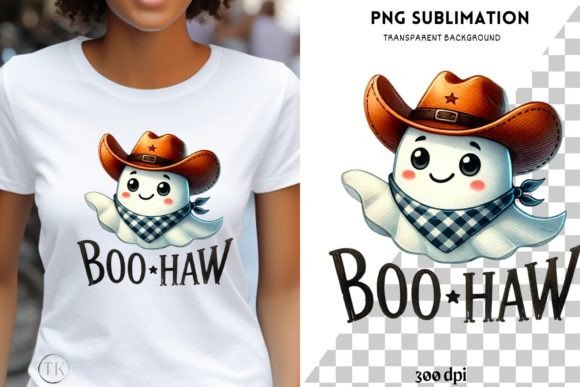
The moment I opened the Boo Haw, Country Halloween Cowboy Ghost file, I was struck by its playful yet professional aesthetic. It’s a perfect blend of spooky fun and classic Americana, which makes it versatile enough for multiple use cases. The transparent background is clean and high quality at 300dpi, which is great for digital previews or mockups. The ghost itself has a soft, slightly stylized look that feels more whimsical than scary—ideal for family-friendly Halloween items or boutique-style accessories.
Its layout is well-balanced, with clear focal points and subtle details like a cowboy hat and boots that add character without overwhelming the design. This kind of visual personality is exactly what small shop owners and Etsy sellers are looking for to stand out in a crowded market. The shape is open enough to allow for creative placement on various surfaces, but still has a strong identity that would be recognizable even from a distance.
Real-Life Use Cases and Performance
I tested the Country Halloween Cowboy Ghost in several practical scenarios, including a custom sweatshirt and a tote bag design. On both, the design stitched cleanly and retained its charm. The lines were crisp, and the overall look was consistent with the original PNG, which is rare for some vector-based files used in machine embroidery designs.
- Sweatshirt Embroidery: When placed on a medium-weight cotton fleece sweatshirt, the design held up well. The stitch density was appropriate for the fabric, and the ghost didn’t lose any of its detail despite the texture of the material.
- Tote Bag Design: As a front pocket applique, the ghost added a fun touch to a basic canvas tote. The contrast between the white ghost and the darker fabric made it pop, enhancing the product's visual appeal and giftability.
- Baby Clothes & Aprons: While the design isn’t overtly sweet or baby-themed, it could work as part of a larger set of Halloween characters for kids’ outfits or themed aprons for a seasonal craft fair display.
- Patches & Caps: For embroidered patches, the design translates nicely into a satin-stitched outline. However, on curved surfaces like caps or hats, I found that the corners needed careful alignment to maintain clarity and avoid distortion.
What impressed me most was how easily the design adapted to different project types. Whether used as an isolated graphic or part of a layered illustration, the Country Halloween Cowboy Ghost maintains its integrity. Its moderate level of detail means it doesn’t require excessive fill stitches, making it efficient for commercial embroidery runs where time and thread usage matter.
Where to Use Carefully
While the Boo Haw, Country Halloween Cowboy Ghost works well in many situations, there are a few places where it might need tweaking before committing to production:
- Small Hoop Sizes: The ghost is relatively large, so if you're working within tight hoop constraints (like a 4x4 inch area), you may need to scale it down carefully to preserve key features.
- Stretchy or Thin Fabrics: Because the design includes some fine lines and delicate shapes, stretchy materials like spandex blends or very thin knits can cause slight puckering or distortion if not stabilized properly.
- Dark Fabric Backgrounds: The design is primarily white with minimal shading, so while it looks good on light backgrounds, it might lack impact on dark fabrics unless paired with contrasting thread colors.
- Curved Surfaces: If you're stitching this onto a cap or curved patch, be prepared to manually adjust the placement and possibly split the design into sections for better results.
- Dense Stitch Areas: In parts where the ghost overlaps itself or other elements, stitch density increases. This is generally manageable, but it's worth testing with proper stabilizer to prevent bulging or fabric damage.
For hobbyists and small business owners, these considerations are important. You don’t want to stitch a full batch only to find out the design doesn’t hold up on your chosen fabric or surface. Always test first—especially if you're selling finished products or digital embroidery files.
Design Impact on Product Value and Customer Perception
In today’s market, especially among Etsy sellers and craft entrepreneurs, visual appeal is everything. The Country Halloween Cowboy Ghost brings a unique flavor to standard Halloween motifs. It’s not your typical jack-o-lantern or skeleton—it tells a story. That kind of personality elevates the finished product, whether it's a personalized gift or a commercial item.
When I previewed the design on a printable mockup for a fall collection, it instantly stood out. Customers would likely react positively to such a distinctive and humorous image. It adds a sense of professionalism and brand consistency to your offerings, especially if you’re focusing on niche markets like Western-themed décor or country-inspired apparel.
Practical Designer Notes for Best Results
If you're planning to use Boo Haw, Country Halloween Cowboy Ghost in your next project, here are some tips based on real-world testing:
- Test on Scrap Fabric First: Especially if you're using it on a new type of material, run a test piece to see how it handles tension and stabilizer.
- Check Thread Color Contrast: Since the design relies heavily on white outlines, ensure your thread color stands out against the base fabric. Consider adding a secondary accent thread for extra depth.
- Review Stitch Density: Dense areas can affect the feel of the final product. Adjust settings if necessary to maintain comfort and durability, particularly for items like blankets or pillow covers.
- Confirm Hoop Size: The design is fairly compact, but depending on how you plan to use it, make sure your hoop size allows for full coverage and room for seam allowances.
- Inspect Small Details: Look closely at the ghost’s facial expressions and costume elements. These can get lost if scaled too small or if the fabric is too textured.
- Use Proper Stabilizer: Especially on stretchy or woven fabrics. A tear-away or cut-away stabilizer will help keep the design flat and prevent misalignment during stitching.
- Test in Black and White Mockups: Before purchasing thread, try converting your mockup to grayscale to see how the design holds up without color.
- Compare Light and Dark Backgrounds: This helps determine visibility and contrast. You may find it needs a backing or shadow effect on darker substrates.
- Check Licensing Before Selling: Since this is a digital embroidery file, confirm whether the license permits commercial use if you're planning to sell finished products or digital assets.
Why This Design Works for Craft Businesses
Embroidery designers and small shop owners know that every design must serve two purposes: aesthetics and functionality. The Country Halloween Cowboy Ghost checks both boxes. It brings humor and warmth to a traditional holiday theme, which is perfect for handmade products that aim to resonate emotionally with buyers.
From a branding standpoint, this design can fit seamlessly into a line of autumn-themed merchandise. It complements other Halloween graphics while standing out with its own unique flair. For Etsy sellers or those creating small shop product lines, this kind of differentiation is crucial. It also enhances buyer engagement—people are drawn to designs that tell a story or evoke nostalgia.
Another benefit is that it’s already formatted as a high-resolution PNG with a transparent background, which is essential for printable mockups and online listings. You can easily show off how it looks on different products, helping customers visualize their purchase before buying.
A Balanced Take for the Practical Creator
After using Boo Haw, Country Halloween Cowboy Ghost in several trial projects, I can confidently say it’s a solid addition to your design library. It’s not over-the-top complicated, but it’s detailed enough to feel special. The balance between simplicity and character is what makes it appealing for both personal and commercial embroidery projects.
However, don’t assume it’ll work flawlessly on every fabric or surface. As a seasoned embroiderer, I recommend taking the time to assess its compatibility with your usual materials. The design thrives on smooth, midweight fabrics like cotton blends or quilting cottons, but can struggle on very thin or stretchy textiles unless supported correctly.
Also, consider the context of your product. Would a ghost in cowboy gear fit better on a children’s Halloween outfit or a home décor item? How about a cozy blanket or a kitchen towel for a festive autumn table setting? These are the kinds of questions that help you decide where to place the design for maximum impact.
Final Thoughts for Creative Entrepreneurs
As someone who evaluates embroidery designs for real-world application daily, I appreciate when a file like Boo Haw, Country Halloween Cowboy Ghost comes along. It’s not just a graphic—it’s a conversation starter. It fits naturally into the category of Illustrations and Graphics, but it goes beyond being decorative. It adds value, recognition, and a touch of storytelling to the finished product.
If you're running a craft business, this design can enhance your holiday inventory. If you're an embroidery designer or digital product seller, it’s a great option for themed collections. Just remember to tailor it to your specific needs, check technical specs, and always do a test run before going full-scale.
With the right preparation and thoughtful placement, Boo Haw, Country Halloween Cowboy Ghost could become one of your go-to designs for seasonal collections. It’s a reminder that sometimes the best embroidery files aren’t the flashiest ones—they’re the ones that feel just right for the project at hand.