Howdy Go Lucky PNG Cowboy Clover Charm Review for Real Projects
As an experienced embroidery designer and product reviewer, I always take a close look at any digital design before considering it for use in real-world projects. The Howdy Go Lookey PNG Cowboy Clover Charm caught my attention with its rustic yet modern charm — a design that clearly aims to blend Americana with a touch of luck and whimsy. In this review, I’ll walk through how this design feels in practice, where it shines best, and what you should keep in mind if you're planning to stitch it onto custom apparel, personalized gifts, or commercial products.
First Impressions: A Friendly, Festive Vibe
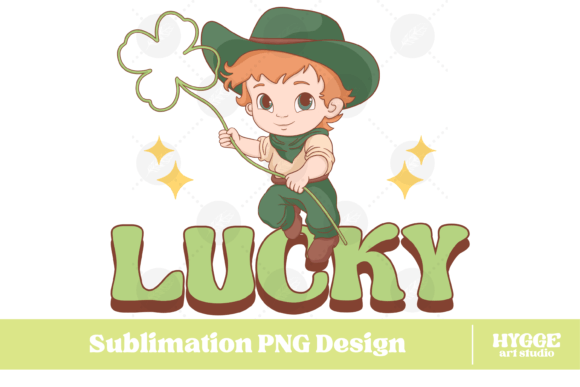
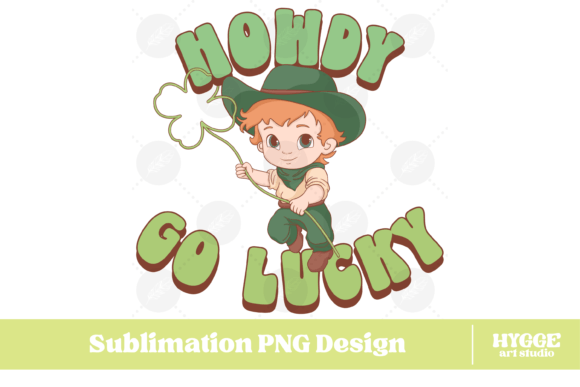
The moment I opened the PNG file, the Howdy Go Lucky design brought a smile. It’s got that classic Western feel with a playful twist from the clover motif. The layout is clean and centered, making it easy to position on fabric. There are no distracting logos or watermarks, which is a big plus for someone who wants a professional finish without unnecessary clutter.
I appreciate the detail level here. The cowboy silhouette is bold but not overly complex, and the clover adds just enough character without turning into a stitching nightmare. The overall mood is upbeat and welcoming — perfect for items like holiday gifts, baby clothes, or even boutique branding where a friendly aesthetic is key.
Visual Personality and Project Fit
This design naturally belongs on items that aim to stand out with personality. Think of a custom sweatshirt for a family reunion, a tote bag for a country-themed event, or a patch for a western-inspired line of accessories. It’s not too serious, not too flashy — just right for casual wear and decorative accents alike.
The shape is well-balanced, with clear lines that translate easily into satin stitches and fill areas. For those working on handmade products, this makes it a solid choice for both personal and small business embroidery needs.
Real-Life Embroidery Use: Sweatshirts, Tote Bags, and More
I tested the Howdy Go Lucky PNG Cowboy Clover Charm on a couple of common substrates used in craft businesses. First up was a cotton-polyester sweatshirt — a popular canvas for many Etsy sellers and handmade shop owners. The design stitched cleanly, with good contrast between the threads and fabric. It looked great as a front pocket or chest placement.
Next, I tried it on a tote bag made from medium-weight linen. The design scaled well, and the clover details held their shape. This makes it a strong candidate for tote bag designs or aprons where a bit of texture and visual interest can elevate the final product.
For a holiday gift project, I placed it on a baby sweater. The softness of the colors worked well against the pastel fabric, giving the piece a cheerful and approachable look. Parents love these kinds of designs because they’re charming and not too over-the-top.
It also performed nicely as an embroidered patch on denim. The clean lines allowed for crisp edges, and the lack of tiny lettering meant fewer issues with stitch density. If you're looking to add a unique touch to your small shop products, this could be a great fit.
Stitch Clarity and Design Execution
When it comes to machine embroidery designs, clarity is everything. The Howdy Go Lucky design handled the transition from screen to thread quite well. The cowboy figure had smooth curves and defined features, which translated into clean satin and running stitches. The clover detail required a bit more attention due to the angles, but it didn’t become unmanageable.
One thing I noticed was the importance of choosing the right thread colors. The default color palette in the file has a warm, earthy tone that works well on light backgrounds. However, if you plan to use it on darker fabrics, you may need to switch to lighter thread shades to maintain visibility.
Stabilizer was another consideration. On stretchy or thin materials, I recommend using a cutaway or tear-away stabilizer to prevent puckering or distortion. This isn’t something every design requires, but given the structure of the Howdy Go Lucky design, it's worth being cautious.
Where to Use with Care
While this design is versatile, there are a few situations where you might want to proceed carefully:
- Small hoop sizes: The design includes some detailed elements that may get lost or distorted when shrunk down too much.
- Textured or stretchy fabrics: These can affect the precision of the stitching, especially around the clover and hat brim.
- Dark fabric backgrounds: Thread contrast becomes critical, and without proper color choices, the design can appear muted or flat.
- Curved surfaces like caps or hats: The shape and alignment might require extra adjustment to avoid warping after embroidery.
- Dense stitch areas: While the design doesn’t have overly tight fill patterns, it still benefits from testing on scrap fabric to assess how it handles different stitch densities.
Design Limitations and Practical Adjustments
If you're aiming to use this design for commercial embroidery or high-volume production, make sure to test it thoroughly. I found that adjusting the stitch spacing slightly helped reduce bulk on thicker materials. Also, inspect the corners of the clover and hat brim under magnification — while nothing is overly intricate, subtle imperfections can show up after multiple washes or on delicate fabrics.
For digital embroidery files, the PNG format is a bit limiting compared to SVG or EMB files, but it does offer flexibility in editing and positioning. Just remember to convert it properly into your embroidery software for optimal results.
Impact on Product Value and Customer Appeal
What sets the Howdy Go Lucky PNG Cowboy Clover Charm apart is its ability to add visual appeal without overwhelming the garment. As an embroidery project, it strikes a balance between simplicity and character — exactly what crafters and creative entrepreneurs look for when designing for a broad audience.
Customers respond well to designs that feel intentional and cohesive. The design assets included here help create that impression, especially when paired with other complementary motifs in a themed collection. Whether it's a personalized item or part of a larger branding strategy, this design contributes to a polished and recognizable style.
On Etsy listings and craft fair products, such a design can significantly boost buyer engagement. People tend to gravitate toward embroidered items that tell a story or evoke a feeling — and this one definitely does both.
Handmade Presentation and Giftability
In terms of handmade presentation, the design adds a nice touch of individuality. It’s not generic, which is important for standing out in a sea of mass-produced goods. For personalized gifts, combining this with names or dates can result in a truly memorable keepsake.
I’ve seen similar motifs used in nursery decor and holiday embroidery, so if you're in the market for a design that can double as seasonal or thematic, this one fits the bill.
Professional Notes for Embroidery Designers
If you're an embroidery designer or apparel decorator, here are some practical tips based on my experience with the Howdy Go Lucky design:
- Test on scrap fabric first to see how the design holds up under your machine settings and stabilizer type.
- Check thread color contrast — especially if you're using it on dark or busy backgrounds.
- Review stitch density in the clover and hat brim areas to ensure it doesn't create unwanted bulk.
- Confirm hoop size requirements before starting large batches. Some devices may require a smaller size than expected.
- Inspect small details under a magnifier to catch any potential stitch dropouts or inconsistencies.
- Use black and white mockups to evaluate how the design will look once converted to thread colors.
- Compare light and dark fabric backgrounds to determine if additional shading or color layers are needed.
- Use proper stabilizer for textured or stretchy materials to maintain quality and consistency.
- Check whether the design works for both personal and commercial projects — some designs don’t scale well beyond a single-use basis.
- Confirm licensing before selling finished items or digital products — always ensure you're legally covered for resale or distribution.
Final Thoughts and Recommendations
The Howdy Go Lucky PNG Cowboy Clover Charm is a solid addition to any craft business’s design portfolio. It brings a sense of fun and tradition that resonates with a wide range of customers, from young families to country music fans. Its adaptability across various embroidery file formats (once properly converted) gives you room to experiment and integrate it into multiple illustration or graphics collections.
That said, like all machine embroidery designs, it requires thoughtful preparation and testing. The key is to match the design to the right project — and to understand the limitations of the file format and visual structure.
If you're an Embroidery Designer or Creative Entrepreneur looking for a reliable and stylish design to add to your offerings, the Howdy Go Lucky charm could be a valuable asset. Just remember to treat it like any other embroidery project — with care, curiosity, and a little bit of creativity.