Cowboy Hand-Drawn Vector Illustration Review for Real Embroidery Projects
As a designer and embroidery product reviewer with years of hands-on experience, I’ve seen countless digital designs come and go. Some are just okay for simple uses, while others truly elevate the finished product. The Cowboy Hand-drawn Vector Illustration is one of those designs that caught my attention not only for its aesthetic but also for how well it translates into real-world embroidery applications.
First Impressions: Wild West Flair with a Personal Touch
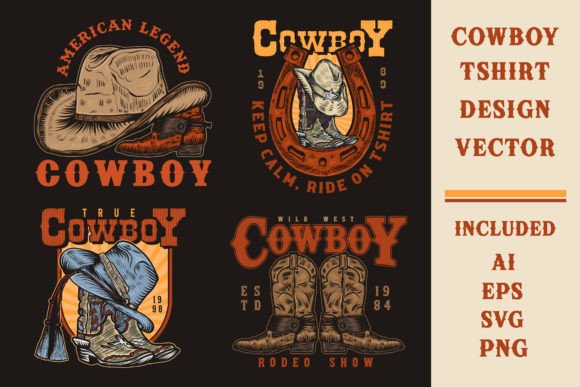
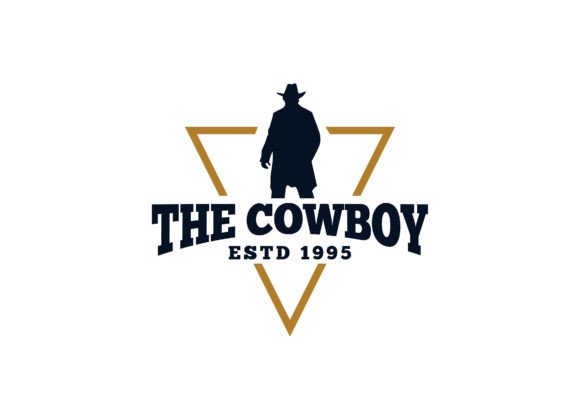
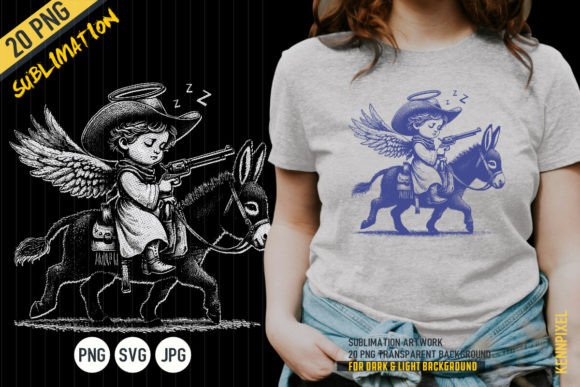
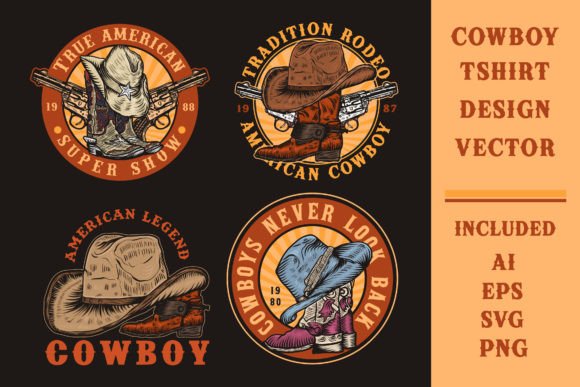
The moment I opened the Wild West vintage logo, I was drawn in by its handcrafted feel. It’s clear this design was created with intention—each line has a slight imperfection, giving it a rugged authenticity that screams “vintage Western charm.” The composition is balanced yet bold, featuring a classic cowboy silhouette paired with subtle details like spurs, a hat brim, and a textured background that mimics aged paper or leather. This isn’t a sterile vector; it’s got soul.
What stands out most is the layout. The illustration is centered and open enough to allow for creative placement on different surfaces. The theme feels nostalgic and adventurous, making it ideal for products that want to evoke a sense of Americana, rustic style, or old-timey storytelling. Whether you're looking to add character to a custom apparel piece or create a standout embroidered patch, this design sets the tone right from the start.
Visual Personality and Project Compatibility
This illustration naturally fits into projects that celebrate individuality and craftsmanship. Think of it as the perfect complement to handmade products, personalized gifts, or small shop merchandise that wants to stand apart from mass-produced items. Its visual personality is strong enough to be eye-catching but still versatile for branding and customization purposes.
I can already picture it stitched onto a tote bag design or sweatshirt embroidery—a bold statement that doesn’t overwhelm the fabric. For craft business owners and Etsy sellers, this kind of design adds value and tells a story before the customer even touches the item.
Real-Life Embroidery Performance
When evaluating an embroidery file for practical use, I always test it on actual project materials. The Cowboy Hand-drawn Vector Illustration performed admirably when transferred to various fabrics and formats.
- Custom Apparel: On a medium-weight cotton sweatshirt, the design maintained clarity and depth after stitching. The hand-drawn elements gave the piece a unique, artisanal look without compromising durability.
- Baby Clothes & Nursery Decor: Scaled down slightly, the illustration worked well as part of a baby embroidery collection. However, the intricate lines required careful stitch density adjustments to prevent overcrowding on thinner fabrics.
- Tote Bags and Aprons: These are some of the best platforms for this design. The contrast between the hand-drawn outlines and filled areas made it pop against both light and dark canvas. Customers would likely respond positively to such a distinctive, high-quality handmade product.
- Patches and Caps: When converted to an applique design, the illustration looked great as a cowboy patch. But on curved surfaces like baseball caps, some corners needed tweaking for smoother transitions around the dome shape.
- Digital Product Previews: As an embroidery project preview for digital listings, the vector format allowed me to easily mock up variations in color schemes and placements using printable mockups. That’s a huge plus for Etsy sellers and digital product creators who rely on visuals to sell their designs.
One thing I noticed early on is that the design’s detail level is generous but manageable. It includes both running stitch elements and more structured satin stitch and fill stitch sections. This blend works well for creating dimension and texture, especially on flat, smooth surfaces where stitch clarity is key.
Customer Appeal and Branding Potential
From a sales perspective, this design has strong giftability and brand recognition potential. It speaks to audiences who appreciate vintage aesthetics and American heritage. If you're running a boutique or craft store focused on Western themes, this could become a signature asset.
Visually, the design adds professionalism and a touch of whimsy. It helps your finished product stand out in a crowded market, especially when used consistently across multiple items like holiday gifts, kitchen towels, or pillow covers. The hand-drawn aspect gives it warmth and approachability, which is often missing in overly polished machine embroidery designs.
Where to Use It Carefully
While the Cowboy Hand-drawn Vector Illustration is impressive, there are a few scenarios where extra care is needed:
- Small Hoop Sizes: The detailed lines might get lost if scaled too small. Always confirm your hoop size and adjust accordingly.
- Textured Fabrics: Stitch clarity diminishes on rougher materials like denim or burlap. You may need to simplify the design or increase thread tension for better results.
- Thin or Stretchy Fabrics: Delicate linens or knits require a lighter touch with stitch density and proper stabilizer to avoid puckering or distortion.
- Dark Fabric Backgrounds: The contrast needs to be tested carefully. While the design looks good in black-and-white mockups, on darker fabrics, certain elements may fade unless you use metallic or variegated threads.
- Products with Frequent Washing: The dense stitch areas might wear over time. Opt for durable thread types and consider reinforcing them if you’re selling items like aprons or baby clothes.
It's important to note that the design comes in EPS, AI, and SVG files, which are all excellent for editing. But because no specific stitch count or machine compatibility is mentioned, I recommend testing it on your own equipment first. Every embroidery machine interprets vector paths differently, so what works on mine may behave uniquely on yours.
Design Notes for Embroidery Artists and Sellers
If you're planning to use this in any commercial embroidery project, here are a few tips to ensure success:
- Test on scrap fabric before committing to a final piece. Especially if you're working with stretchy or delicate materials.
- Review thread colors to match your brand palette or project theme. The default colors are classic, but customization can enhance appeal.
- Inspect small details like facial features or belt buckles. They may need to be simplified depending on the hoop size and fabric type.
- Use a proper stabilizer to keep the fabric taut during stitching. A tear-away or cut-away option will depend on the garment's thickness and use case.
- Check whether the design is suitable for digital embroidery files intended for resale. Licensing terms aren't specified, so always verify if you plan to distribute or sell the design itself.
- Compare how the design looks on light and dark backgrounds. Adjust thread shades or stitch types as needed to maintain visibility and impact.
Final Thoughts: A Ruggedly Reliable Design
The Cowboy Hand-drawn Vector Illustration is a standout in the world of machine embroidery designs. It brings a unique visual identity to any project, and its hand-crafted nature aligns perfectly with the ethos of handmade shops and personal brands. From tote bags to holiday gifts, this design can make a lasting impression—if executed with care and consideration.
Its adaptability is one of its strongest traits. With the right adjustments, it can work wonders on a wide range of items. And for creative entrepreneurs and small shop product developers, it offers a compelling way to differentiate your offerings in a competitive market.
However, don’t let the charm fool you—it still requires thoughtful preparation. Pay attention to stitch density, thread color choices, and fabric compatibility. Treat it like any other embroidery project: respect the details, and the result will reflect your dedication.
Overall, this is a design worth considering for anyone aiming to infuse a bit of Western spirit into their work. Just remember to tailor it to your materials and audience, and you’ll be rewarded with a finished product that customers notice—and remember.