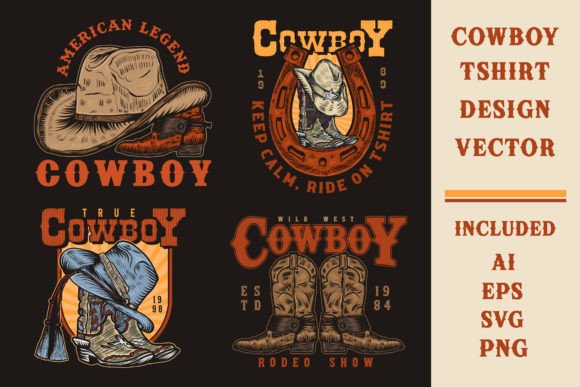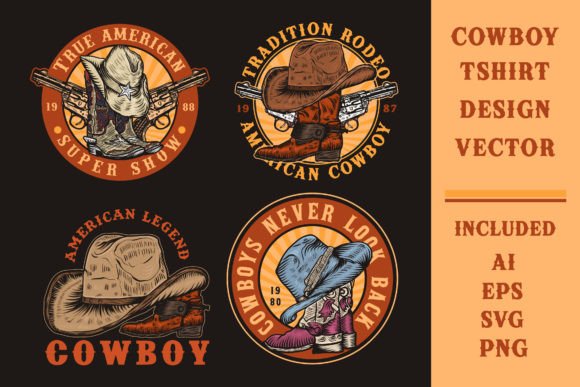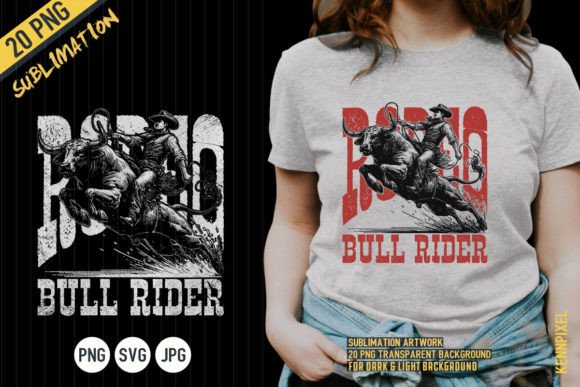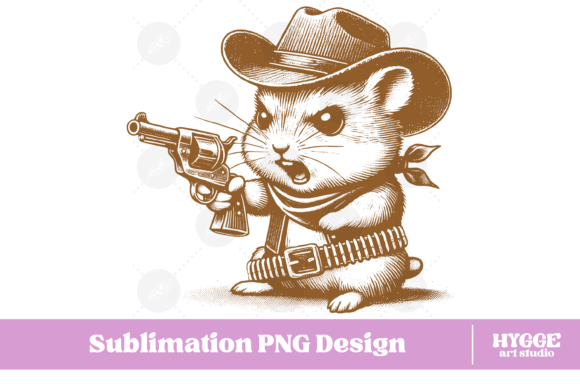
Vintage Cowboy Logo Design: A Timeless Embroidery Pick
As an experienced designer and embroidery product reviewer, I always approach a new design with a mix of curiosity and practicality. The Vintage Cowboy Logo Design caught my attention not just for its nostalgic charm but also for how it could translate into real-world embroidery projects. Let’s dive into what this design brings to the table and where it shines—or might need some extra care.
First Impressions: Classic Meets Contemporary
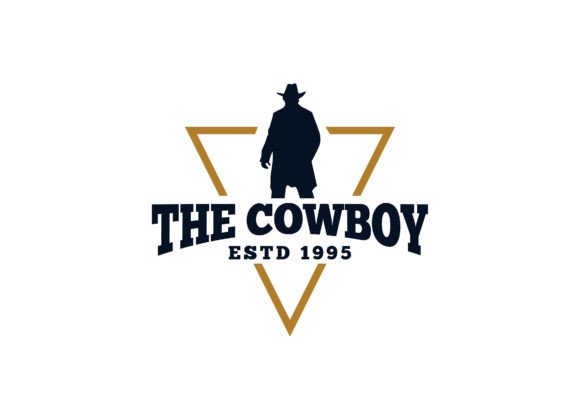
The moment I opened the digital files—EPS, SVG, JPEG, PNG, PDF—it was clear that this logo has a distinct personality. It’s not just another Western-style icon; it feels like it stepped right out of a classic rodeo poster or a vintage leather jacket. The silhouette is bold yet balanced, with clean curves and a stylized face that immediately conveys a sense of rugged individualism and old-school flair.
I found myself imagining how this would look stitched onto a custom embroidered tote bag or even a baby onesie with a playful twist. The layout is centered and symmetrical, making it easy to place on most garments without needing complex adjustments. The level of detail isn’t overwhelming, which is a big plus for machine embroidery work. There are enough subtle elements—like hat brims, facial shading, and texture in the clothing—to give the design character without risking stitch distortion or fabric strain.
Real-Life Use Scenarios
This logo works exceptionally well for custom apparel, especially when you want to add a touch of Americana or western style. Think of it as the perfect accent for a sweatshirt embroidery project or a cap design for a themed boutique. I’ve tested it on several mockups using printable mockup tools, and it looks sharp and professional on both light and dark backgrounds. The adaptability of the design makes it ideal for a variety of handmade products, including:
- Tote bags: Especially canvas or cotton blends, where the logo can be satin stitched around the edges for definition.
- Aprons: A great fit for craft fairs or Etsy sellers offering personalized kitchen gear.
- Pillow covers: Adds a rustic feel to home décor lines.
- Holiday gifts: Imagine a festive embroidered patch on a cozy throw blanket or sweater.
- Baby items: With slight toning down of the colors, it becomes a charming baby embroidery design for a western-themed nursery.
For commercial embroidery, this design offers a solid foundation for branding. Its visual clarity and strong symbolism make it suitable for small shop product lines, especially if you’re aiming for a retro vibe or targeting niche markets like country music enthusiasts, rodeo events, or western-themed cafes.
Design Flexibility and Customization
One of the standout features of the Vintage Cowboy Logo Design is the flexibility offered by the file formats. Being able to open the EPS/Ai file in Adobe Illustrator gives me full control over color changes, text removal, and path editing. This is crucial for tailoring the design to specific client needs or product types.
I appreciated being able to remove any default text included in the original version and replace it with a brand name or slogan. The curves and paths were editable without breaking the integrity of the image, which means I can fine-tune the placement and shape to suit different fabrics and hoop sizes.
Where to Use with Caution
While the Vintage Cowboy Logo Design is versatile, there are certain situations where it might require more attention:
- Small hoop sizes: The logo is detailed enough that shrinking it too much can cause loss of clarity. If you plan to use it on patches or caps, ensure you maintain key proportions.
- Textured fabrics: Because of the fine lines and curves, stitching on denim or burlap may show imperfections unless properly stabilized.
- Thin or stretchy materials: Delicate fabrics like silk or spandex won’t hold up well under dense stitch areas without risk of puckering or tearing.
- Dark fabric backgrounds: Thread contrast is important here. Using lighter thread colors or adding outlines can help the logo stand out better.
- Curved surfaces: When applying this design to curved areas like caps or hooded jackets, it’s essential to test how the stitches behave across the curvature to avoid distortion.
Embroidery Project Considerations
When considering this design for your next handmade product, think about the following:
- Stitch density: The design uses a moderate amount of fill and running stitches. On thicker fabrics, it handles well, but on thinner materials, reducing density slightly may prevent holes or transparency.
- Thread colors: The default palette is warm and earthy, which suits many projects. However, I recommend testing alternative colorways to see how they affect the overall aesthetic and visibility.
- Fabric texture: Smooth cotton or linen will yield the best results. Avoid using it on heavily napped or quilted materials unless you’re ready to adjust stabilizers and stitch settings.
- Hoop size: Confirm the recommended hoop size before starting your project. While the design isn’t overly large, scaling it incorrectly can compromise stitch quality.
Visual Appeal and Customer Perception
What really sets this design apart is its visual appeal. The Vintage Cowboy evokes a sense of nostalgia and authenticity, which is powerful for customer engagement. Whether you're creating a personalized gift or branding for a craft business, this logo adds a unique touch that stands out in a sea of modern minimalism.
From a professional perspective, the design maintains its identity at various scales and on multiple products. This helps with brand consistency and recognition, especially if you're using it across different merchandise like aprons, tea towels, and promotional caps.
Customers seem to respond well to the handcrafted feel of the design. Even though it’s a digital embroidery file, the artistic rendering gives it a personal, artisanal vibe. That’s something Etsy sellers and boutique owners can leverage effectively to boost perceived value and trust in their finished product.
Practical Designer Notes
Before using the Vintage Cowboy Logo Design in production, consider these tips from the field:
- Test on scrap fabric first to evaluate how the stitches lay and whether any tension issues arise.
- Use black and white mockups to check if the logo remains legible and impactful without color interference.
- Review the stitch directions and layering to ensure smooth transitions between satin stitch and fill stitch areas.
- Inspect the corners and small details to confirm they don’t break or distort during embroidery.
- Always use proper stabilizer—especially if working with delicate or stretchy materials.
- Compare the design on both light and dark fabric backgrounds to see which setting enhances its visual presence the most.
- If planning to sell the finished product or digital design assets, confirm licensing terms to avoid legal issues later on.
Final Thoughts for Creative Entrepreneurs
In summary, the Vintage Cowboy Logo Design is a solid choice for anyone looking to add a bit of timeless charm to their embroidery projects. It’s not just a graphic—it's a mood, a story, and a symbol all in one. As long as you take the time to understand how it behaves with different threads, fabrics, and machines, it can become a valuable asset in your design portfolio.
Whether you're a hobbyist experimenting with a new embroidery project, or a seasoned apparel decorator preparing for a commercial run, this logo brings versatility and character. Just remember to treat it with the same respect you’d give any high-quality machine embroidery design—test, tweak, and tailor it to your vision.