Halloween Skeleton Cowboy Coffee Retro Design Review
As a seasoned embroidery designer and product reviewer, I always take a step back before diving into any new design. It’s not just about what looks good in the preview—it's about how it performs when stitched onto real products, especially for commercial or handmade use. Today, I’m taking a close look at Halloween Skeleton Cowboy Coffee Retro, a vector-based graphics file that promises versatility across multiple items like sweaters, mugs, and tote bags. Let’s break down how this design holds up under practical scrutiny.
First Impressions: Mood and Visual Personality
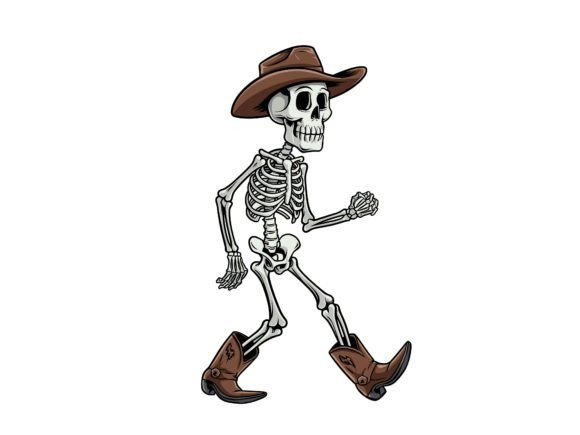
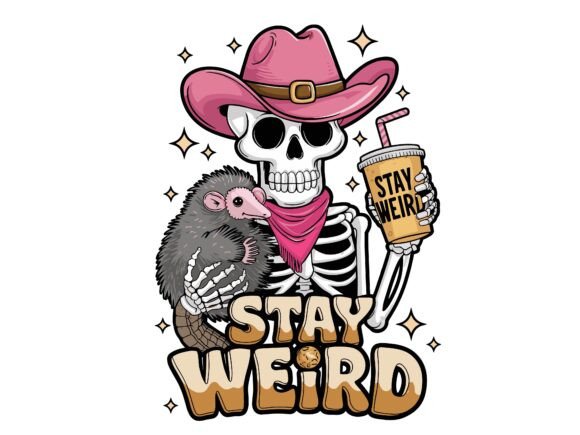
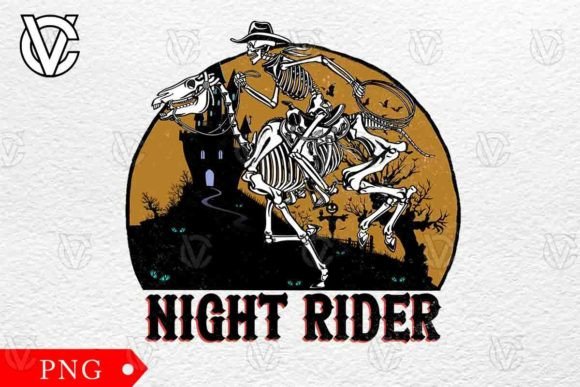
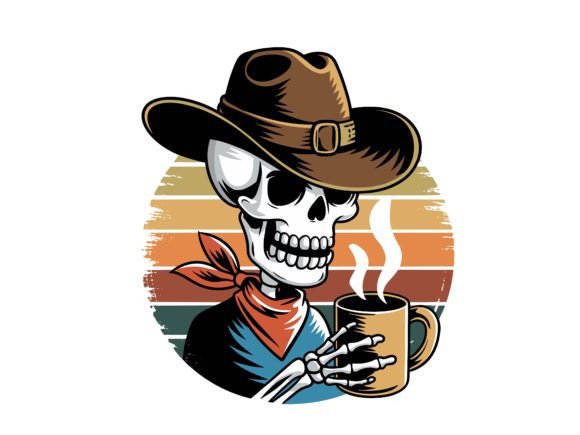
The Halloween Skeleton Cowboy Coffee Retro design immediately sets a whimsical yet edgy tone. Combining classic Halloween motifs with retro coffee culture gives it an unexpected charm—think of a skeleton straddling a horse while holding a steaming cup of java. The layout is balanced, with clear focal points and a sense of motion that makes the design feel lively rather than static.
This isn’t your typical spooky skull; it has character, humor, and a nostalgic vibe. The detail level is moderate but well-placed, with enough texture to suggest movement without overwhelming the eye. For those targeting a vintage Halloween aesthetic, this design checks all the boxes in terms of visual personality. It naturally fits within custom apparel, holiday gifts, and even boutique branding if you're aiming for something quirky and memorable.
Theme and Application Potential
The theme blends seamlessly into a variety of projects. Whether you’re creating personalized gifts for a fall party or designing merchandise for a small shop, the cowboy element adds a playful twist that stands out from generic Halloween designs. It’s perfect for Etsy sellers looking to differentiate their offerings or for crafters who want to bring some fun into their handmade product lineup.
What also stands out is the flexibility of the design. You can scale it up for large sweatshirts or shrink it down for embroidered patches and caps. That kind of adaptability is a big plus when considering different product types and client requests.
Real-World Performance: From Hoop to Finished Product
Let’s imagine using this design on a custom embroidered tote bag—a common request during the fall season. The cowboy motif would pop nicely on a light-colored canvas, especially if paired with dark thread colors. However, keep in mind that tote bags often see frequent use and washing. In such cases, it's essential to evaluate stitch density and durability to ensure the design doesn’t fray or lose clarity over time.
- Sweatshirt Embroidery: This design works well for both front and back placements. Its size allows for generous spacing between elements, reducing the risk of stitches pulling or distorting fabric. Just make sure to use appropriate stabilizers for knit materials.
- T-Shirt Projects: The central positioning of the cowboy figure means it can be easily framed by other Halloween-themed design assets. It’s versatile enough to work as a standalone graphic or part of a larger composition.
- Pillow Covers & Aprons: These are great surfaces for showcasing machine embroidery designs like this one. The flat nature of these items ensures even stitching, making it easier to maintain the design’s sharp lines and clean edges.
- Embroidered Patches: If you plan to turn this into an applique design, the structure supports patch-style stitching with satin and fill techniques. Just test how the smaller details hold up when hooped separately.
Commercial Use Considerations
If you're an Etsy seller or running a craft business, the Halloween Skeleton Cowboy Coffee Retro could serve as a unique design asset for seasonal collections. It brings a fresh angle to holiday embroidery and helps build brand recognition through consistent, thematic visuals. But before selling finished products or digital embroidery files, double-check the licensing terms to avoid legal issues.
For printable mockups, the design lends itself well to visual storytelling. A digital embroidery file like this can be used in marketing materials to showcase potential applications, helping customers visualize the final product before purchasing. It’s a solid choice for enhancing buyer engagement and demonstrating the value of your handmade products or custom apparel line.
Where to Use With Caution
While this design is adaptable, there are a few areas where extra attention is needed:
- Small Hoop Sizes: The cowboy figure may appear cramped if not properly scaled. Test the design on scrap fabric first to ensure no important details get lost in translation.
- Textured or Stretchy Fabrics: On jerseys or fleece, the stitch density might need adjustment to prevent puckering or distortion. Always inspect the design after stitching to confirm its integrity.
- Dark Fabric Backgrounds: Thread color contrast becomes critical here. While the design includes varied tones, black-on-black embroidery won’t show off its best features. Consider using metallic or contrasting threads for visibility.
- Curved Surfaces: Applying the design to caps or curved areas could lead to stretching or misalignment. Check whether the file comes with variations for curved surfaces or consider manual adjustments.
- Frequent Washing: Products like tea towels or aprons will benefit from using high-quality threads and reinforcing dense stitch areas. This helps preserve the design’s visual appeal and professional finish.
Detailing and Stitch Clarity
One thing I noticed while reviewing the design is the presence of detailed corners and subtle shading in the cowboy hat and cup. These add depth but can be tricky on thin fabrics. If you're working with lightweight materials like baby clothes or delicate linen, expect some transparency or shadowing effects that might alter the design’s impact. For such sensitive applications, testing the design on scrap fabric is a must-do step.
Also, watch out for tiny lettering or intricate outlines. They might not translate well unless you have a high-resolution embroidery file. If the original file lacks specific stitch count info, it’s best to assume caution and verify compatibility with your machine before committing to production runs.
Design Impact on Customer Perception and Project Value
When it comes to customer trust and giftability, the right design can make a huge difference. Halloween Skeleton Cowboy Coffee Retro feels professional and polished, which elevates the perceived value of any finished product. It’s not just another print template; it has the potential to become a signature piece in your portfolio of graphics.
Visually, the design adds a layer of sophistication to handmade products and personalized gifts. Its retro-coffee twist makes it more than just a Halloween graphic—it’s a conversation starter. Customers are more likely to engage with and remember a design that has a unique story or style, and this one definitely delivers on that front.
For brand consistency, especially in a craft business or small shop product range, this design could anchor your fall collection. Pair it with complementary themes like pumpkins, autumn leaves, or ghostly accents to create a cohesive set of design assets that reinforce your brand identity.
Thread Colors and Fabric Texture
Thread color choices play a major role in how the design translates from concept to reality. Since the description doesn't specify exact thread colors, it’s important to review the digital embroidery file carefully and match them to your project’s needs. Using too many similar shades on a single garment can muddy the design, so a thoughtful selection of thread colors enhances clarity and presentation.
Additionally, fabric texture should influence your decision. Smooth cotton or denim provides the ideal surface for showing off fill stitch and satin stitch elements. Textured fabrics like flannel or corduroy might require adjustments in stitch type or density to maintain the design’s crisp appearance.
Designer Tips for Optimal Results
To ensure the best outcome with Halloween Skeleton Cowboy Coffee Retro, here are a few practical steps every embroidery designer should follow:
- Test on Scrap Fabric: Before moving to client projects or commercial embroidery, run a test piece to catch any issues with stitch flow or detail loss.
- Check Thread Contrast: Especially if using it on darker backgrounds. A black-and-white mockup can help you spot potential visibility problems.
- Review Stitch Density: Dense areas may cause puckering on stretchy or thin materials. Adjust accordingly or opt for a lighter version of the design.
- Confirm Hoop Size: If the file format doesn’t include recommended hoop sizes, measure your own and compare to the design’s dimensions.
- Use Proper Stabilizer: This is crucial for maintaining shape and preventing shifting during the embroidery process.
- Inspect Small Details: Make sure the smallest parts—like the skeleton’s facial features or the coffee cup—are still legible and well-defined after stitching.
- Verify Licensing: Always check if the design allows for personal and commercial use. If unsure, contact the creator for confirmation before listing it in your Etsy store or using it for mass production.
Final Thoughts for Creative Entrepreneurs
In summary, Halloween Skeleton Cowboy Coffee Retro is a strong contender for anyone in the embroidery field looking to add a distinctive touch to their handmade product line or small shop merchandise. It’s not just a design—it’s a statement that can enhance your creative offerings and boost customer interest.
However, don’t underestimate the importance of context. This design shines brightest on flat, medium-weight fabrics with good thread contrast. Avoid using it on very small hoops or overly textured materials without proper adjustments. And always test before you stitch, especially if you're planning to sell the finished product or digital embroidery file.
With the right approach and preparation, this design can become a valuable addition to your embroidery project toolkit. It balances creativity and functionality, offering a blend of nostalgia and spookiness that’s hard to resist. So go ahead, give it a try—but do your homework first. Your customers (and your machines) will thank you later.