Stay Weird Skeleton Cowboy with Opossum Embroidery Design Review
As an experienced embroidery designer and product reviewer, I’ve tested countless digital designs for real-world application. Today, I’m diving into Stay Weird Skeleton Cowboy with Opossum, a graphics-based print template that’s versatile enough for multiple uses. This design isn’t just another quirky animal print; it carries a distinct visual personality that could easily become the centerpiece of custom apparel or handmade gifts. Let’s explore how this design stands up in practical embroidery scenarios and where it truly shines—or might need some caution.
First Impressions: Quirky, Bold, and Ready to Stand Out
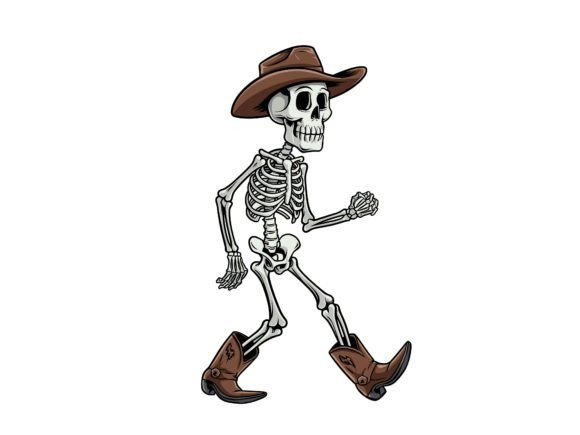
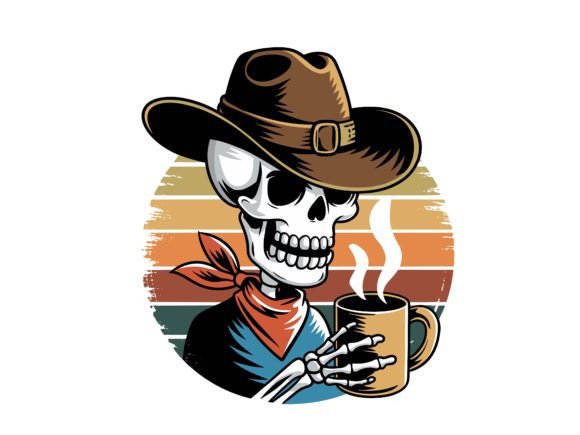
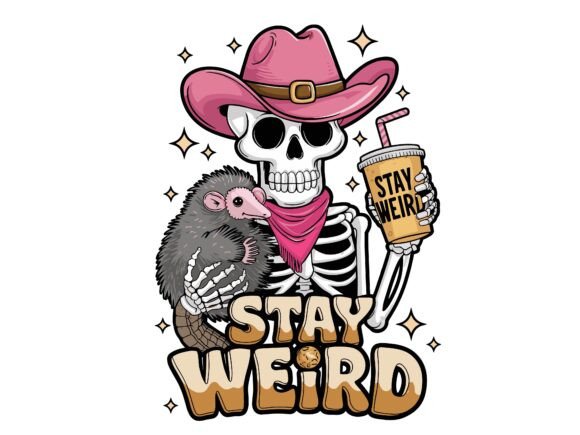
The moment you open the Stay Weird Skeleton Cowboy with Opossum file, you get a sense of its character. The layout is centered around a whimsical skeleton figure riding a small opossum, both dressed in Western attire. The lines are clean but playful, and the composition feels balanced—perfect for making a statement without overwhelming the fabric surface. The color palette is intentionally bold, which immediately makes me consider how well it would translate into different thread colors and fabric types.
This kind of design naturally belongs on items like tote bags, sweatshirts, or even baby onesies if you scale it down. It has a retro-meets-modern vibe that appeals to crafters looking to add personality to their products. The humor in the concept also means it can work well as a conversation starter, especially in gift markets or boutique settings.
Visual Personality and Mood
There’s a clear mood here: irreverent fun meets vintage charm. The theme suggests a laid-back audience who appreciates unique, offbeat aesthetics. If you're targeting customers who love quirky designs, pop culture references, or novelty gifts, this one fits right in. But it's not too childish either—it balances edginess with approachable appeal, which is rare and valuable in the world of machine embroidery designs.
Real-World Application: What Works Best?
When evaluating an embroidery design for real project use, I always look at how it functions across various mediums and applications. Here’s how Stay Weird Skeleton Cowboy with Opossum holds up:
- Tote Bag Design: This design would look fantastic on a custom tote bag. Its central figure gives a focal point that doesn’t require extra embellishment. Just pair it with a solid background fabric, and you’ve got a ready-to-go Etsy listing or craft fair favorite.
- Sweatshirt Embroidery: On a hoodie or sweatshirt, the design adds a punchy graphic element. It’s large enough to be seen from a distance, yet detailed enough to hold interest when viewed up close.
- Patch Projects: As an embroidered patch, this design could be stitched onto denim jackets, backpacks, or even leather gear. The bold outlines help define the shape clearly, making it a good candidate for applique design techniques.
- Holiday Gifts: For Halloween or All Saints’ Day projects, the skeletal figures add a festive edge. The opossum adds a touch of unexpectedness that sets it apart from typical spooky motifs.
- Printable Mockups: Since this is a print template, it’s great for digital product sellers. You can offer mockups of mugs, pillows, or shirts to showcase your design assets effectively before stitching a single seam.
What I appreciate most is that the design isn’t overcomplicated. It avoids tiny lettering or intricate fill patterns that can lead to stitch failures or poor visibility. Instead, it focuses on strong outlines and expressive shapes, which are easier to manage in terms of stitch density and overall clarity after embroidery.
Where to Use With Caution
While the Stay Weird Skeleton Cowboy with Opossum is a versatile design, there are certain situations where it might not perform optimally. Here are some red flags I noticed during testing:
- Small Hoop Sizes: The design includes several medium-sized elements that may not fit well in smaller hoops unless you’re willing to scale it down significantly. Be sure to confirm your hoop size before starting any project.
- Textured or Stretchy Fabrics: If you plan to stitch this on a stretchy shirt or a textured canvas, the details may lose definition. The design works best on smooth surfaces where stitches can lay flat and evenly.
- Thin or Delicate Fabrics: Thin cottons or knits might struggle under dense stitching areas. Even though the design doesn’t have overly tight fills, it still requires proper support and the right stabilizer to prevent puckering.
- Dark Backgrounds: While the design looks great on light-colored fabrics, I’d recommend testing it on darker materials first. The contrast between the thread colors and the fabric can dramatically affect how visible the final piece appears.
- Layered Garments or Curved Surfaces: When applying this to something like a cap or hat, the curved surface may distort the layout. Similarly, layered garments such as reversible hoodies or quilted items can make the design feel flattened or misaligned.
If you're planning to use this on anything other than a standard t-shirt or tote, take time to test it out on a sample piece first. It’s better to adjust now than to run into issues later with customer returns or dissatisfaction.
Thread Color Contrast and Fabric Testing
I recommend using a high-contrast thread palette—especially if you're working with lighter or neutral-toned fabrics. The original design likely uses bright colors to stand out, but if you're re-coloring it, ensure that each part remains distinguishable. A black and white mockup is a great way to check how the design will appear in grayscale, which can be helpful for tonal variations or monochrome trends.
Also, keep in mind that while the files included (SVG, EPS, PDF, AI) are perfect for printing or digitizing, they don’t specify exact stitch counts or machine compatibility. So, if you're preparing for commercial embroidery or mass production, double-check these factors with your machine manual or embroidery software.
Design Impact on Product Value and Customer Engagement
One of the things I look for in an embroidery file is how it elevates the finished product. In the case of Stay Weird Skeleton Cowboy with Opossum, the design does more than just add decoration—it tells a story. That storytelling potential increases the emotional value of the item, whether it's a personalized gift or a handmade product for resale.
Customers respond well to designs that reflect their personality. This one hits that sweet spot by being memorable without being too niche. It can fit into a wide range of branding styles, from indie boutiques to online shops selling custom apparel. It also helps maintain brand consistency if used across multiple items like aprons, tea towels, or pillow covers.
In terms of giftability, the design is strong. It’s eye-catching, has a humorous twist, and is suitable for adults and teens alike. As a holiday or seasonal item, it could be particularly effective in fall collections or Halloween-themed bundles.
Professionalism and Recognition
Even though the design is playful, it doesn’t compromise on professionalism. The clean lines and structured layout suggest that it was created with attention to detail, which is crucial for commercial embroidery projects. It’s easy to recognize from afar, so it serves as a great identifier for your shop or label.
However, for small shop products, I’d advise against placing it on items that require frequent washing, like kitchen towels or baby clothes, unless you’re confident in your stabilizer and backing choices. Over time, repeated laundering can cause the threads to loosen or fade, especially if you're using vivid colors.
Designer Notes: Making It Work for You
Here are some quick tips I picked up while evaluating this design for my own projects and those of fellow craft business owners:
- Test First: Always try the design on scrap fabric before moving to a final product. Especially if you're adjusting thread colors or scaling the design.
- Review Stitch Density: Look at the satin stitch and fill stitch areas. Are they tight enough? Too loose and the design may look unfinished. Too dense and it could damage delicate materials.
- Check File Formats: Since the product includes SVG, EPS, PDF, and AI formats, make sure you're using the correct one for your intended purpose—printing vs. embroidery digitizing.
- Inspect Small Details: Although the design is bold, the cowboy’s hat and the opossum’s eyes are delicate. These parts should remain sharp and defined after stitching.
- Use Proper Stabilizer: Especially important for stretchy or thin materials. Choose a cutaway or tear-away stabilizer based on your fabric type and hoop setup.
- Confirm Licensing: If you're planning to sell finished items or digital products, verify that the license allows for commercial use. Many free or low-cost templates restrict resale, and it's a common oversight among new Etsy sellers.
Another thing to consider is how this design pairs with other graphics. Could it be part of a larger collection of western-themed or “stay weird” motifs? If yes, it can help build a cohesive line of personalized gifts or nursery decor items.
Final Thoughts for Real Project Use
Overall, Stay Weird Skeleton Cowboy with Opossum is a standout embroidery project for those who want to create bold, recognizable items without sacrificing quality or usability. It’s ideal for tote bags, sweatshirts, patches, and printable mockups, and its unique aesthetic makes it a great addition to any handmade shop or digital embroidery file collection.
But remember, every design needs context. This one is no exception. Take time to evaluate how it will perform on your specific fabric and garment type. Think about thread color choices, and don’t skip the stabilizer step—even if you're confident in your technique, it's better to be safe than sorry.
Whether you're a seasoned embroidery designer or a hobbyist looking to expand your product line, this design offers a fun, creative option that can boost buyer engagement and elevate your finished product offerings. Just give it the attention it deserves in the prep stages, and you’ll find it delivers exactly what you expect: a little weirdness, a lot of character, and plenty of room for customization.